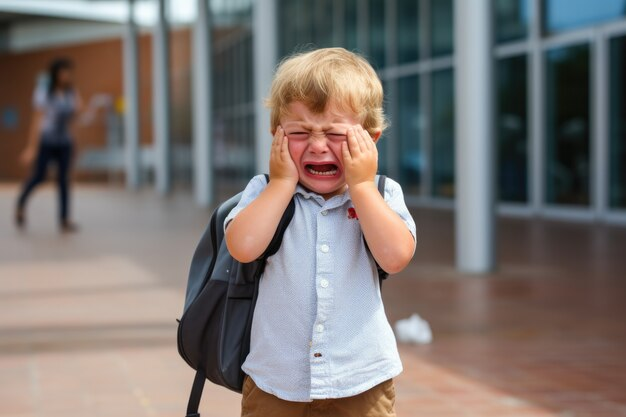
Last school year, I had the unique experience of working as the school psychologist at my son’s school. In his Kindergarten class, there was a little boy who began crying the moment his mom parked the car. He would walk with her to his line, but the tears continued, sometimes escalating into tantrums with louder cries and moments of hiding under the table during the day.
In a Transitional Kindergarten (TK) class, another little boy also struggled with going to school. However, his resistance looked different—he would become physically aggressive, hitting and even running into the parking lot as his very pregnant mom tried to walk him to his classroom.
If either of these situations sounds familiar, let me reassure you—you are not alone. And the good news is, with effective strategies and tools, it’s possible to reduce your child’s separation anxiety. As a school psychologist, I’ve worked extensively with both emotions and behaviors. While separation anxiety might seem purely emotion-based, it’s actually a behavior—and that means it can be addressed with the right approach!
Why is Separation Anxiety a behavior?
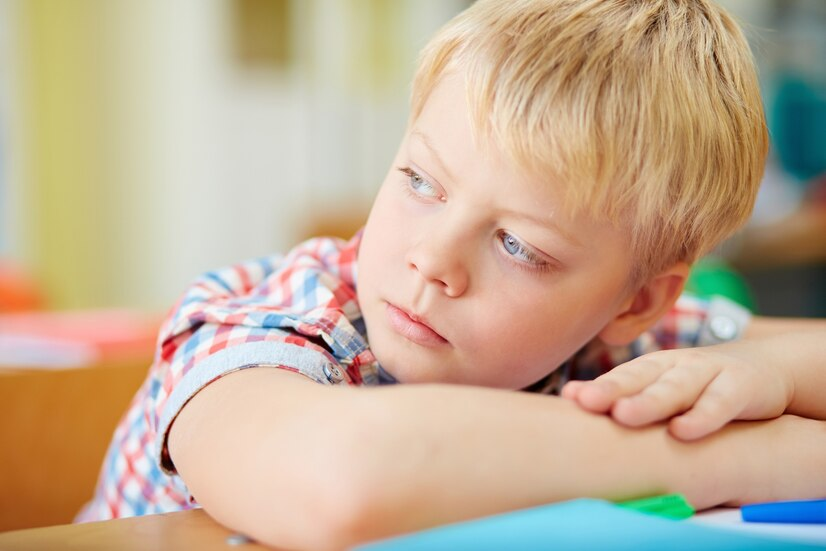
Yes, your child is experiencing strong emotions, but those emotions are part of a behavior—and behaviors serve a purpose. In this case, the behavior’s function is often to avoid school and return home, where you, the parent, provide safety, comfort, love, attention, and often entertainment, including technology.
Does this make you a “bad” parent? Absolutely not! For the past 4-5 years, you’ve been nurturing your child, keeping them safe, happy, healthy, and loved. Now they’re being asked to step out of their familiar, cozy environment, interact with new people, and tackle unfamiliar or challenging tasks. It’s a big adjustment! And let’s face it—there will always be things your child doesn’t enjoy doing at school, and that’s perfectly normal to not like their entire school day. Do you like every moment of your work day? Just like eating their vegetables, not everything is fun, but some things are necessary and good for them…especially going to school!
What does Separation Anxiety Look Like?
Separation anxiety is a normal and common stage in child development, particularly in younger children. It often presents as distress when a child is apart from their primary caregivers, such as crying, clinginess, tantrums, or even physical complaints like stomachaches or headaches. In some cases, separation anxiety may also involve more challenging behaviors, such as aggression or attempts to run away (elopement). These behaviors can pose significant safety concerns—for instance, I’ve had to chase children who ran off campus or intervene with children throwing objects during a tantrum.
While separation anxiety is a natural part of development, it can become problematic when it is intense, persistent, and disrupts a child’s daily life or progress. If a child older than six continues to experience severe anxiety during separations, or if it leads to avoidance of school or social activities, it may point to separation anxiety disorder (SAD). This condition can significantly impact a child’s ability to thrive socially and academically, making early intervention essential.
The first step that PARENTS can take
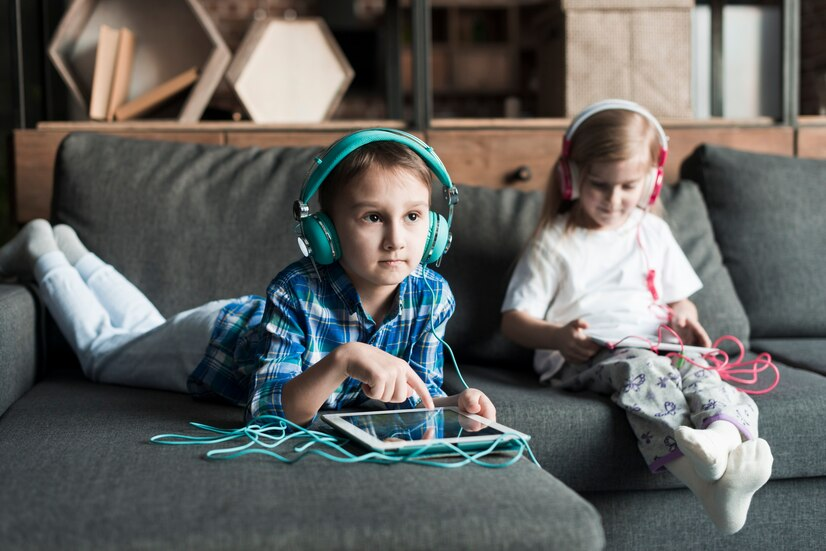
First and foremost, if your child is staying home and has access to ANY technology, favorite toys, or special treats—stop immediately! Allowing these activities or items when they’re too upset to stay at school unintentionally rewards their behavior. Instead, these preferred items and activities should become earned privileges for attending school and demonstrating bravery as a “big kid.”
On days when your child refuses to go or stay at school, make home as unappealing as possible. Home should be boring. This might involve having your child color, practice letters, shapes, or numbers, or help with household chores. If needed, you can even request a packet of work from your child’s teacher to mimic school activities.
Be consistent—even after school hours on weekdays. Yes, this may require you to spend more time managing your child, endure extra crying, or bring them along to the store or even your workplace. However, a few days or even weeks of firm boundaries that may lead to wining or tantrums are far better than months of adjusting your life around your child’s behavior. Remember, YOU are in charge!
HERE are some more strategies and tools that can help Parents…and Kids!
Finally…Stay Consistent, Stay Tough, and Remain Patient
I know you love your child, and part of loving them is allowing them to cry, feel uncomfortable, and face challenges they don’t want to tackle. My son often complains about going to his Taekwondo class. Do I offer him incentives? Not in this case—it’s simply an expectation, and yes, that makes me a “mean mom.” But here’s the thing: despite his complaints, once he’s there, he absolutely loves it. Not just tolerates it—loves it.
Your child will learn to love—or at least like—school too. School is where they’ll make friends, have fun, and grow in their skills and intelligence. So, stay strong, stick to your strategies, and give them the chance to blossom.
Is your child’s behavior possibly correlated to a neurological disability?
When children have extreme behaviors, particularly extreme emotional responses, it is possible that there is an underlying medical or neurological condition. It is not always correlated, of course, but if your child is experiencing significant anxiety, aggression, or emotions that are preventing them from attending school, it may be time to meet with your school’s Student Study Team and request an evaluation or talk to your child’s physician.
Either path, it is good to rule out if there is something more that may be causing your child to respond to attending school with such extreme emotions. While it is not abnormal for younger children to go through a separation anxiety phase, if you have tried the strategies recommended above and it’s still been a daily battle for months and months, it might be time to seek outside help.
If you feel unsupported by your school with solving this problem, SoCal Educational Evaluations would be happy to help. We offer consultation to parents around the country and private evaluations to children within California. Just click below to complete our FREE Intake form, and one of our team members will get back to you to see how we can help and support your and your child.