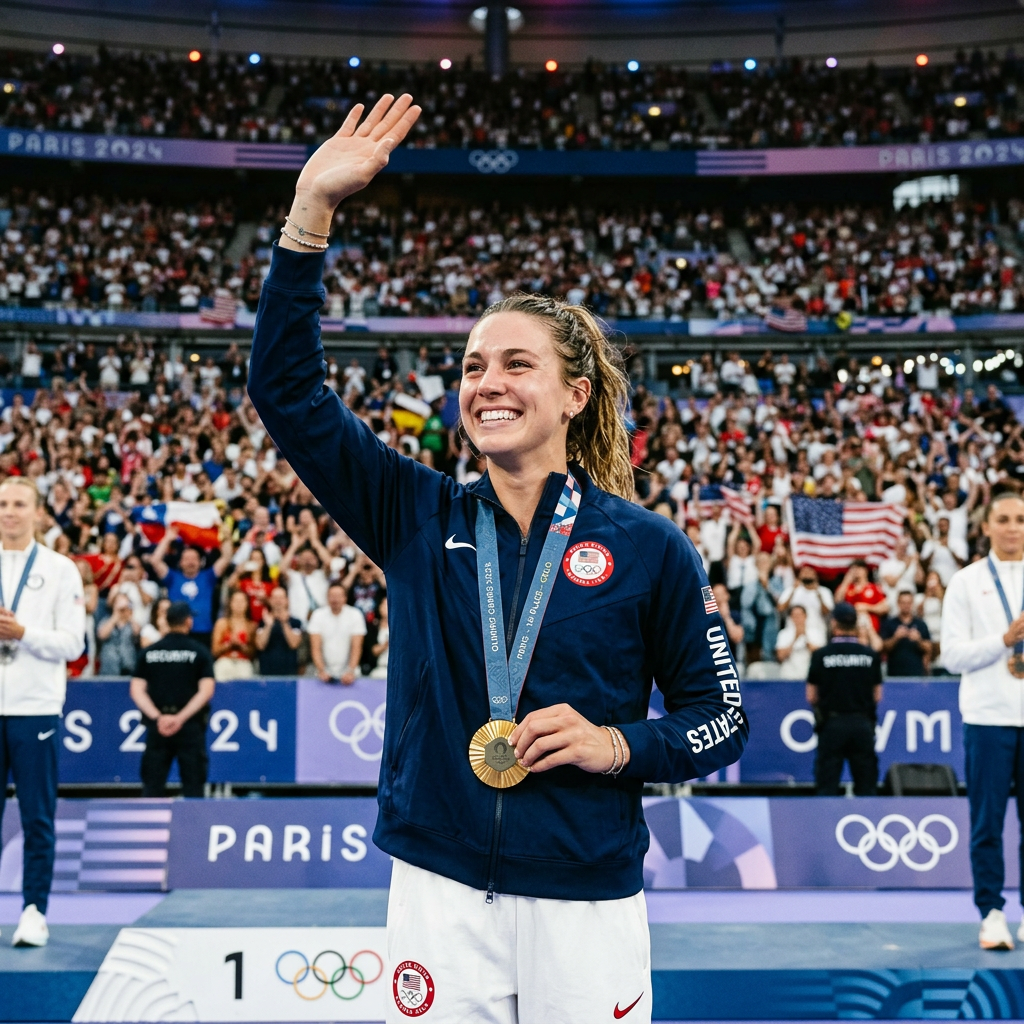
How elite athletes’ mental strategies can help you overcome your TEST Anxiety.
Success at the Olympic level doesn’t come from physical ability alone—elite athletes train their minds just as hard as their bodies. When you watch their mindset strategies, it’s easy to see parallels with how students can approach their hurdles…TESTS with confidence and resilience.
Below are a few motivational quotes and insights from recent Olympic competitors that illuminate powerful mental strategies students can borrow and apply to conquer your TEST ANXIETY.
1. Prioritize Your Mental Health: Strength Isn’t Silence

One of the most powerful mental lessons from elite sport comes from gymnast Simone Biles. After struggling with anxiety and the “twisties” at the Tokyo Olympics, she came back stronger at the 2024 Paris Games by making mental wellness part of her regular routine—including therapy before competition days. She openly shared that “mental health matters”, even during Olympic competition, and credited that intentional care for helping her perform at her best. (People.com)
Student Takeaway:
Make mental setup a part of your test-prep routine, not just studying for the exam.
Just like athletes schedule training sessions, students can include mindfulness, brief check-ins with themselves, or even informal “therapy-style” reflection before test day to reduce anxiety and increase focus. To learn these skills, seek guidance through books, audio books, YouTube experts, or mental health course.
2. It’s Okay to Feel Pressure—and Talk About It
“We’re human beings. Nobody is perfect. So yes, it is okay to not be okay.” — Michael Phelps (NBC Olympics)

Swimming legend Michael Phelps—the most decorated Olympian in history—has spoken openly about his own battles with anxiety and depression after competition. He sees vulnerability as human, not weakness.
Student Takeaway:
Normalize anxiety instead of fearing it.
Feeling anxious before a test doesn’t mean you’re unprepared or failing—it means you care about your success and your life. Acknowledge it, talk about it, and use it as fuel to focus rather than perseverating on your feelings. Turning your embarrassment about your fears and anxious thoughts will only serve to increase your anxiety through feelings of shame. Turn it around to feelings of gratitude that you care about your future and seek support from friends, family, or a counselor who can offer support or guidance.
3. Work With Your Mind, Not Against It
One elite strategy highlighted in recent athlete interviews is mental desensitization—exposing yourself to the stressor so it becomes less intimidating. Alpine skiing champion Mikaela Shiffrin worked with a psychologist to mentally rehearse Olympic scenarios, even visiting the competition city ahead of time to reduce nerves. (Business Insider)
Student Takeaway:
Techniques like visualization and mock testing help your brain get familiar with pressure.
Students can simulate test conditions at home by timing practice exams, blocking distractions, and visualizing the testing process step by step. As a Licensed Educational Psychologist, I evaluate many students studying for the LSAT and experiencing Test Anxiety. For them, I often recommend taking the practice exam with the time constraints to help them practice experiencing the sense of pressure. This can help desensitize their minds to the experience of time pressure, as practice makes perfect.
4. Self-Talk and Mantras Build Confidence
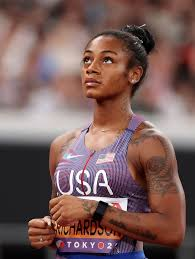
Athletes like sprinter Sha’Carri Richardson have used personal reframing to get in the right mental space—summarizing her mindset with “I’m not back. I’m better.” (Young Post Club)
Student Takeaway:
Positive self-statements shift focus from worry to readiness.
Before a test, try mantras like “I studied for this,” “I will do my best,” or “I can handle challenges.” Short affirmations help reframe nerves into confidence. As I often tell me counseling students, will you do better on the exam if you think, “This will be hard,” or ” I’m going to rock this test!”?
5. Prepare Your Environment Just Like an Athlete Prepares Their Routine
Olympians stick to consistent routines leading up to competition—waking up at the same time, eating familiar meals, and warming up physically and mentally.
Student Takeaway:
Create a pre-test ritual that signals your brain that it’s time to perform. Examples include:
- Sleep and eat well the night before
- Pack your materials early
- Do a short breathing exercise before the test
Routines reduce uncertainty and quiet unnecessary stress.
6. Focus on Process, Not Just Outcome
In elite sports, coaches and psych consultants often emphasize performance processes over medals. That means breaking a competition down into actionable, manageable pieces rather than obsessing about podium placement.
Student Takeaway:
Focus on answering one question at a time, not the score you might get.
Breaking down the test into smaller, manageable steps reduces overwhelm and enhances performance.
7. Reflect to Improve—Just Like Athletes Review Their Performance
After every major event, athletes analyze their performance—not to criticize themselves, but to find growth areas.
Student Takeaway:
After a test, don’t just look at your grade—examine what strategies worked, what caused stress, and how you can refine your approach for next time. I once had a big exam that I wanted to take another time to see if I could get a higher score. What I did was sit down…in my car, actually, the minute that the test was over, and I wrote down as many of the questions that I could remember. Then I can utilize the AI to help me create a study guide on the topics to focus on when I am studying for the exam if I were to take it again.
Final Thought
Elite athletes and students share more common ground than you might think. Both face pressure, sometimes with an audience (a stadium for them, your parents possibly as yours), and both can benefit from intentional mental strengths training.
The difference between anxiety limiting performance and anxiety enhancing performance often lies not in ability—but in strategy. If you are experiencing Test Anxiety, it might be because you’re struggling to develop a strategy to tackle your thoughts and emotions during high-pressure exams. If you need help with where to start, you can learn more HERE about the Test Anxiety Tactics Workbook and Course. In it, I’ll guide you through understanding the root of your Test Anxiety and the strategies that you can apply to earn your Gold Medal…in life!
Embrace mental preparation. Treat your mind like a muscle. And remember: You’re capable of overcoming TEST ANXIETY!
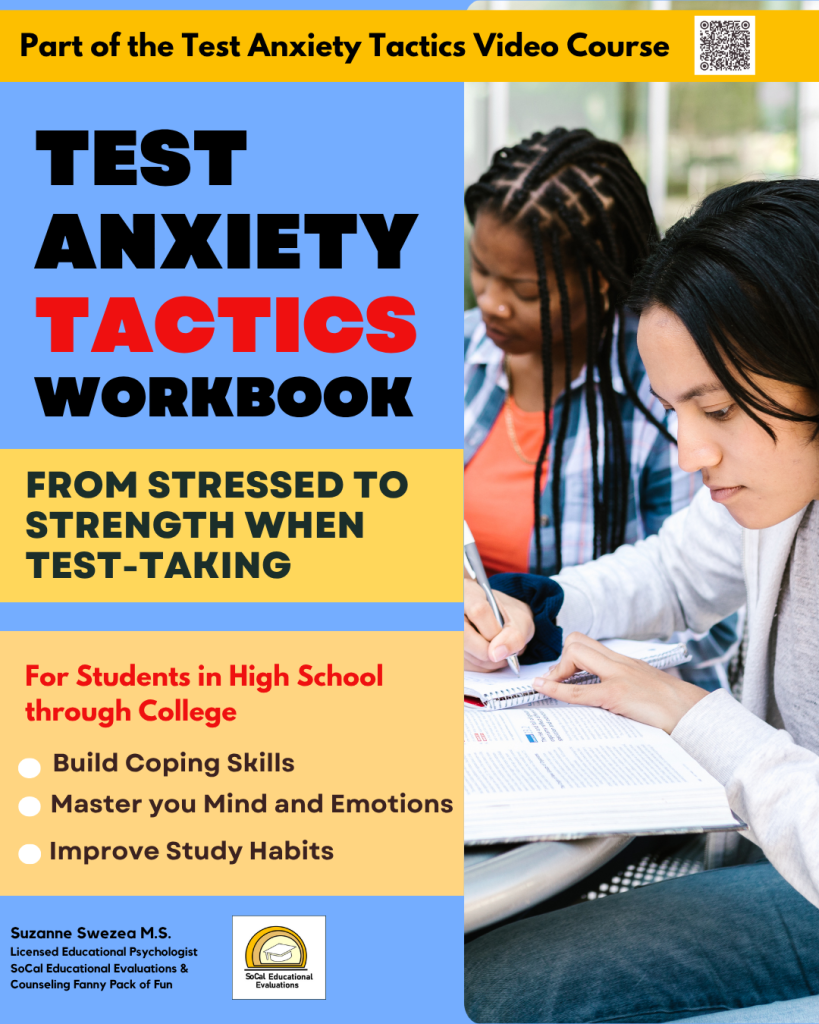
Start Taking the Next Step to Overcoming and Conquering You TEST ANXIETY before your next Big Exam!