This morning, I was driving to my office to test a high school student for test anxiety when I started thinking about the students that I had been evaluating over the past few months who also have struggled with test anxiety.
Many of them have told me things like:
“I wish I didn’t care so much.”
“Why do I get so nervous when everyone else seems calm?”
“I just want to perform like I do on the practice exam.”
As I spaced out a little, letting my automatic memory of my commute do the driving, I found myself thinking about an important message I wish every student could hear and understand:
Test anxiety is not a sign that something is wrong with you. In fact, test anxiety can highlight some of your greatest strengths.
Now, don’t get me wrong. Severe test anxiety can make studying difficult, cause physical symptoms, interfere with sleep, your mood and make it harder to show what you truly know on an exam. Those symptoms are real and deserve attention.
But before we label anxiety as completely bad, let’s look at what Anxiety, and more specifically, Test Anxiety, might actually be trying to tell you.
Test Anxiety Means You Care

Think about it. Do you get nervous about every single thing in your life? Probably not.
Most students don’t lose sleep over what to eat for lunch, a random worksheet, or a game they don’t care about. Anxiety tends to show up when something feels important.
If you’re anxious about an upcoming test, it may be because you care about your grades, your future, getting into college, making your family proud, or achieving a personal goal. That isn’t weakness. That’s a sign that you want a bright future, one with a good career and income. In my opinion, there’s nothing wrong with wanting to have a well paying career.
Anxiety Can Motivate You to Prepare
Imagine two students.
One student has absolutely no concern about an upcoming exam. They don’t study, don’t review their notes, and assume everything will work out.
The other student feels a little nervous about the test. Because of that nervousness, they create a study plan, review their materials, and practice problems ahead of time.
Who is more likely to be prepared?
A moderate amount of anxiety can motivate you to take action, which will lead to better performance on your exams.
The problem isn’t anxiety itself. The problem occurs when anxiety becomes so intense that it negatively impacts your ability to study, concentrate, and perform your best on test day.
A Little Anxiety Can Help You Stay Alert

Have you ever noticed how your senses seem sharper when something important is about to happen?
Your body is designed to help you respond to challenges. It’s actually, an evolutionary response call fight or flight. When you experience manageable levels of stress, your brain becomes more alert and focused, just like your ancestors who had to hide or run away from dangerous predators…think Saber-Tooth Tigers.
This is why many athletes, performers, and public speakers often appear to perform well, despite experiencing some nervousness before a big event. This is because they learn how to channel their nervous energy instead of fighting it, leading to spiraling negative thoughts and poor performance.
The same principle applies to exams.
Test Anxiety Can Teach You Valuable Life Skills

One of the hidden benefits of learning to manage test anxiety symptoms is that the skills you can develop and master won’t just help with tests. Skills such as implementing positive thinking, calming strategies, and executive functioning can help you throughout your life if you learn them well.
Test Anxiety Management Skills can help your future self with:
- Job interviews
- Work Presentations
- Public speaking
- College presentations
- Athletic competitions
- Future career challenges
When students learn how to calm their minds, challenge negative thoughts, and manage stress effectively, they are building skills that can serve them for the rest of their lives.
That’s one reason I’m so passionate about teaching test anxiety strategies. The goal isn’t simply to help students pass one exam. The goal is to help them develop skills they can use throughout lifetime, so that they can have a successful life, not just a good grade.
Not sure whether your stress has crossed the line into Test Anxiety?
Download my FREE Test Anxiety Symptom Checklist to identify common signs and symptoms and learn where you may need support.
What If Anxiety Is Trying to Tell You Something?
Instead of asking:
“How do I get rid of anxiety?”
Try asking:
“What is my anxiety trying to tell me?”
Sometimes the answer is:
- I need a better study plan.
- I need more sleep.
- I need to stop procrastinating.
- I need to learn relaxation techniques.
- I need to challenge negative thoughts.
- I need an evaluation for testing accommodations.
When we look inward and listen to our anxiety instead of fighting it, we often discover practical steps we can take to feel more prepared and confident. Fighting it is more like quicksand, where the more you resist, the more you’ll sink. Recognizing your anxiety and taking actionable steps to learn skills for overcoming it will, however, be the first step in managing your emotions, which can lead to long-term success in the game of life.
Three Simple Strategies You Can Start Using Today
1. Focus on Preparation, Not Perfection
Many students believe they need to know everything before a test.
That’s usually impossible.
Instead, focus on being prepared rather than perfect. Ask yourself:
“What is one thing I can do today to feel more prepared for my exam?”
Small actions reduce anxiety more effectively than worrying.
2. Identify and Modify Your Self-Talk

Self-talk is one of the biggest influencers of our emotions. So, awareness of your self-talk can be a key to decreasing your test anxiety symptoms. Notice what you’re saying to yourself. If’s not positive, it’s not going to help you on your exam. It’s that simple.
Replace thoughts like:
“I’m going to fail.” “I’m not smart enough” or “Everyone else is going to pass but me”
With:
“I’ve prepared, and I’ll do my best.”
Or:
“I can handle this, one question at a time.”
Your thoughts influence how your body responds to stress.
3. Learn to Calm Your Body
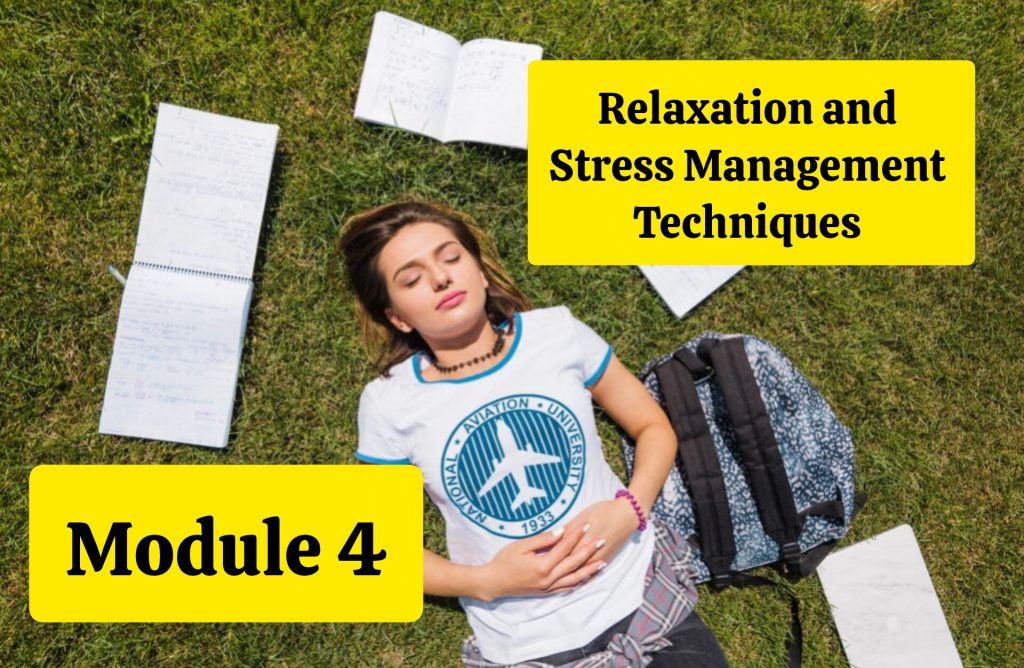
When anxiety rises, your body often reacts first. Here’s just a few calming strategies that I teach in the Course, Test Anxiety Tactics. This picture is from Module 4, where I teach you all the skills that can support your mind, emotions, and body to manage stress, especially during high pressure situations, such as big exams.
Some of the skills taught in this module include:
- Deep breathing exercises
- Progressive muscle relaxation
- Grounding exercises
- And Mindfulness techniques
These strategies send a message to your brain that you are safe, relaxed, and capable of handling the stressful situation. When we control our bodies, our mind will follow, clearing the way for long-term memory retrieval, which is essential during exams.
You Are Stronger Than Your Anxiety

One of the biggest misconceptions students have is believing that confident people never feel nervous. That’s simply not true. Many successful students, athletes, professionals, and leaders experience anxiety. The difference is that they learn how to manage it.
They understand that anxiety is a feeling—not a prediction of an outcome.
Feeling anxious does not mean you will fail.
Feeling nervous does not mean you aren’t prepared.
Feeling stressed does not mean you aren’t capable.
The Goal Isn’t to Eliminate Anxiety
This may surprise you, but the goal isn’t to get rid of every anxious feeling. The goal is to learn how to work with anxiety instead of against it. When you understand what your anxiety is trying to tell you and learn practical tools to manage it, anxiety loses much of its power.
You begin to trust yourself. You become more resilient with set backs and with managing your stress. And you discover that you can succeed even when you feel nervous.
Ready to Take Control of Your Test Anxiety?
If test anxiety has been affecting your confidence, concentration, or performance, don’t wait until the night before your next exam.
Start by downloading my FREE Test Anxiety Symptom Checklist to better understand your symptoms and identify areas where you may need support.
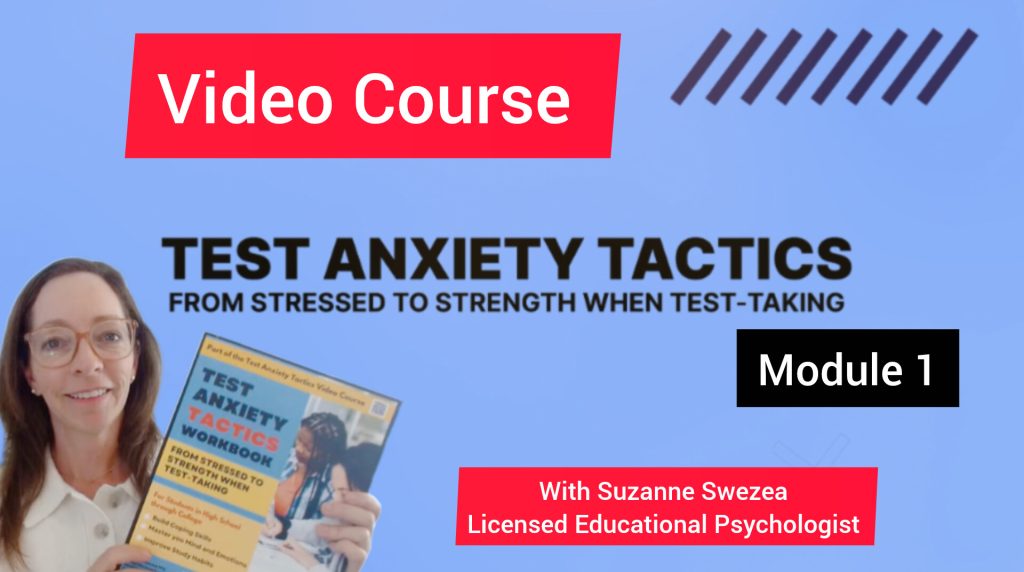
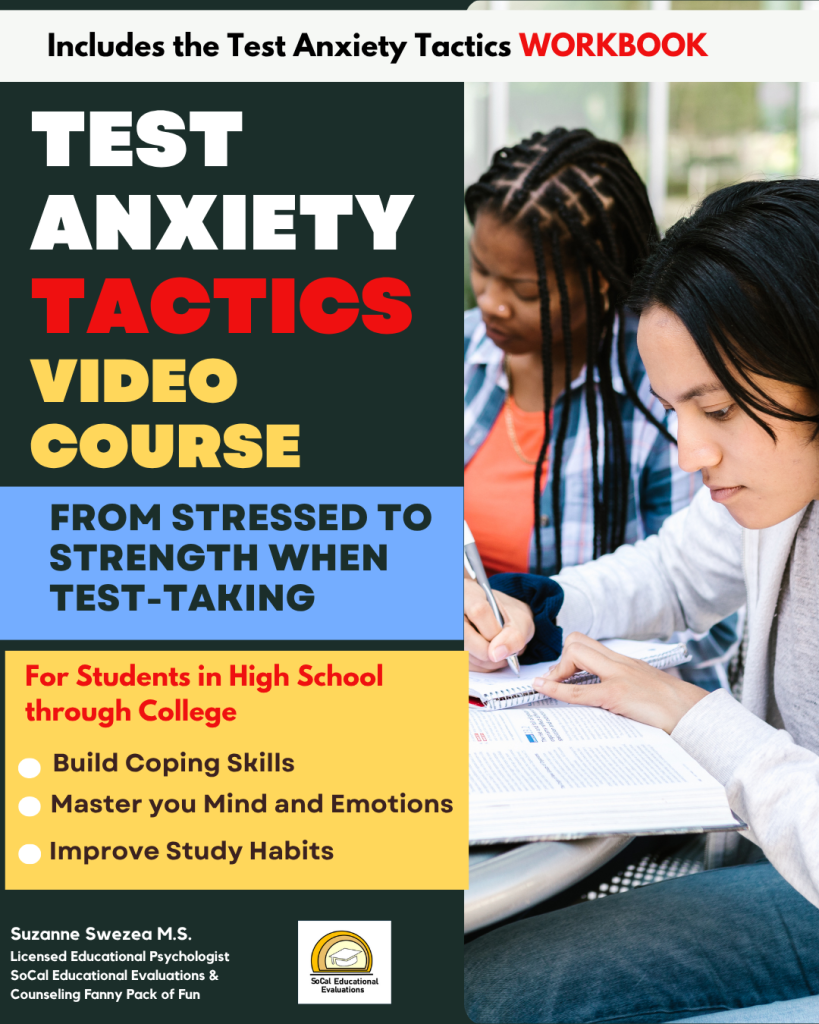
If you’re ready to “do the things” and learn the skills to eliminate your Test Anxiety, check out the Test Anxiety Tactics Course, where you’ll learn research based strategies for calming your mind, managing physical symptoms, improving your confidence, and developing skills that can help you not only on tests—but throughout school, college, and beyond.
Remember:
Test anxiety doesn’t mean you’re broken. It often means you care deeply about your goals. The good news is that with the right strategies, you can learn to manage anxiety and let your true abilities shine.
If you’d like to learn more about the Test Anxiety Tactics Course and overcome your symptoms of Test Anxiety in less than 4 hours, please visit the course page and overcome your symptoms TODAY! Your future-self will thank you!