
If you’ve ever searched “How do I stop test anxiety?” or wondered why your heart races before a big exam, you’re not alone.
As a Licensed Educational Psychologist, I have worked with many students who know the material but struggle to demonstrate what they know because anxiety gets in the way. I’ve seen middle school students panic before math tests, high school students cry after (or during) taking the SAT or ACT, college students lose confidence during final exams, and graduate students preparing for the LSAT, MCAT, NCLEX, Bar Exam, and other professional licensing exams experience overwhelming pressure, leading
One thing all of these students have in common is this:
Test anxiety is not a sign that you aren’t intelligent. It’s a normal stress response to something that feels important.
The encouraging news is that today’s technology can help students become more aware of their stress patterns. While no smartwatch or wearable device can eliminate anxiety on its own, these tools can provide valuable insights that, when combined with evidence-based strategies, can help students feel more prepared and confident.
Let’s explore how wearable technology can support your journey toward overcoming test anxiety—and why learning practical coping skills remains the most important part of the process.
What Happens in Your Body During Test Anxiety?
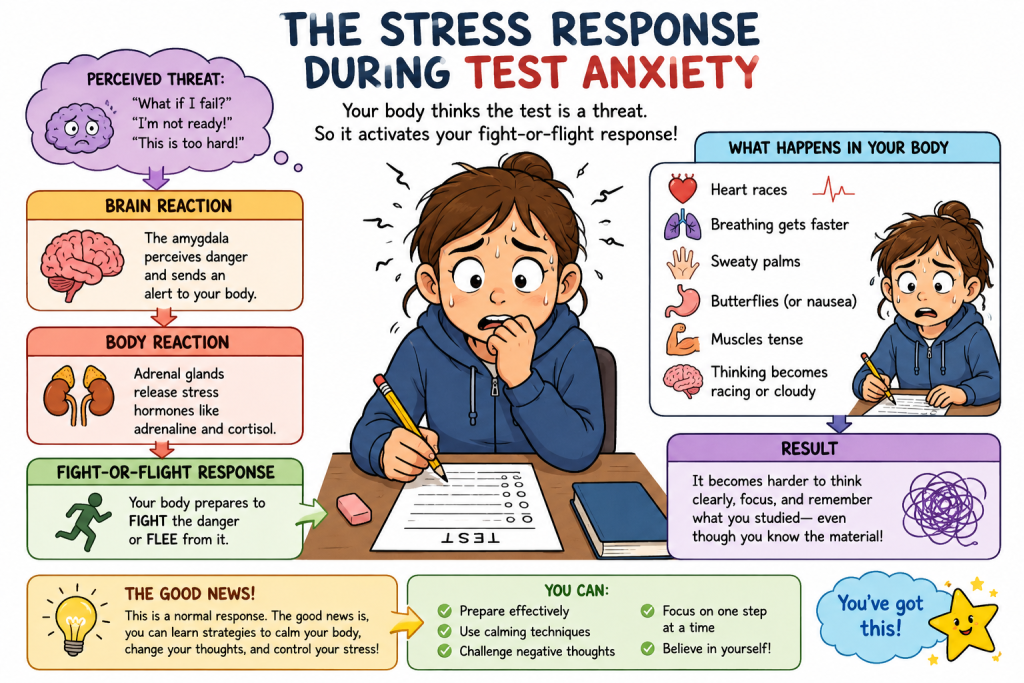
Have you ever experienced:
- A racing heartbeat before opening your exam?
- Sweaty palms?
- Tight muscles?
- A “blank mind” even though you studied for hours?
These are all common symptoms of your body’s natural fight-or-flight response.
When your brain perceives a test as a high-pressure situation, it releases stress hormones like adrenaline and cortisol. These hormones prepare your body to respond to danger—even though you’re sitting in a classroom instead of facing a real physical threat.
During this response, you may experience:
- Increased heart rate
- Faster breathing
- Muscle tension
- Difficulty concentrating
- Racing thoughts
- Trouble remembering information
This doesn’t mean you’ve forgotten everything you studied. Instead, anxiety is temporarily making it harder for your brain to retrieve information efficiently.
Understanding this process is often the first step toward regaining confidence.
Free Resource! Is Test Anxiety Affecting Your Performance?
Not sure whether your symptoms are mild nervousness or true test anxiety?
Download our FREE Test Anxiety Checklist to identify common signs of test anxiety and discover practical strategies you can begin using today.
Can Technology Really Help with Test Anxiety?
Wearable technology has made incredible advances over the past several years.
Many smartwatches now monitor:
- Heart Rate
- Heart Rate Variability (HRV)
- Sleep quality
- Stress trends
- Guided breathing exercises
- Mindfulness reminders
- Recovery after stressful events
Rather than guessing when your stress is increasing, these devices provide real-time feedback that can help you recognize patterns.
For example, you may notice:
- Your stress levels consistently rise the evening before exams.
- Poor sleep increases your anxiety the next day.
- Guided breathing exercises help lower your heart rate before studying.
- Certain study habits leave you feeling calmer than others.
This awareness allows students to become more intentional about managing their stress instead of simply reacting to it.
However, it’s important to remember that technology measures stress—it doesn’t teach you how to manage it.
That’s where learning practical coping strategies becomes essential.
1. Garmin Venu 3 – Best Overall Smartwatch for Students
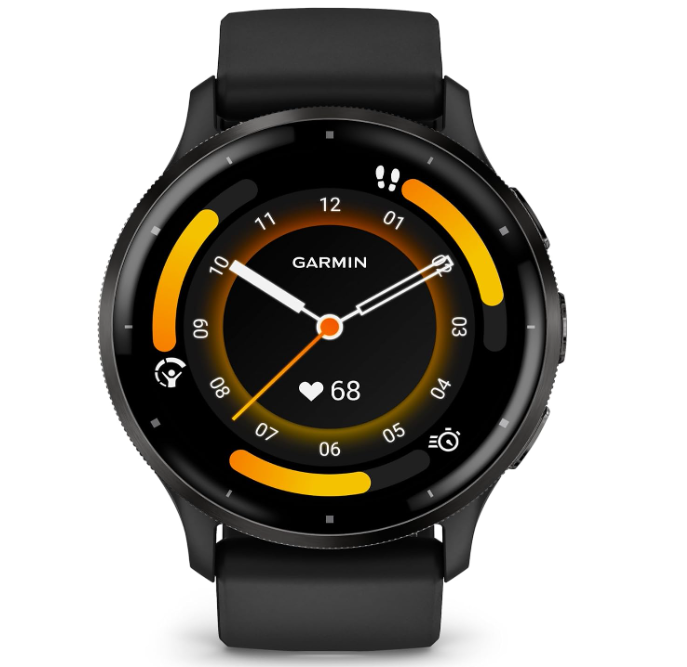
Garmin has become one of the leaders in stress monitoring through its use of Heart Rate Variability (HRV).
Helpful features include:
- All-day stress tracking
- HRV monitoring
- Body Battery™ energy tracking
- Guided breathing sessions
- Sleep coaching
- Long battery life
One of my favorite features is Garmin’s ability to show stress trends throughout the day. Students can begin recognizing situations that consistently elevate stress and use that information to develop healthier habits and overall lifestyle.
Remember, awareness is the first step toward change.
2. Apple Watch Series – Best for iPhone Users
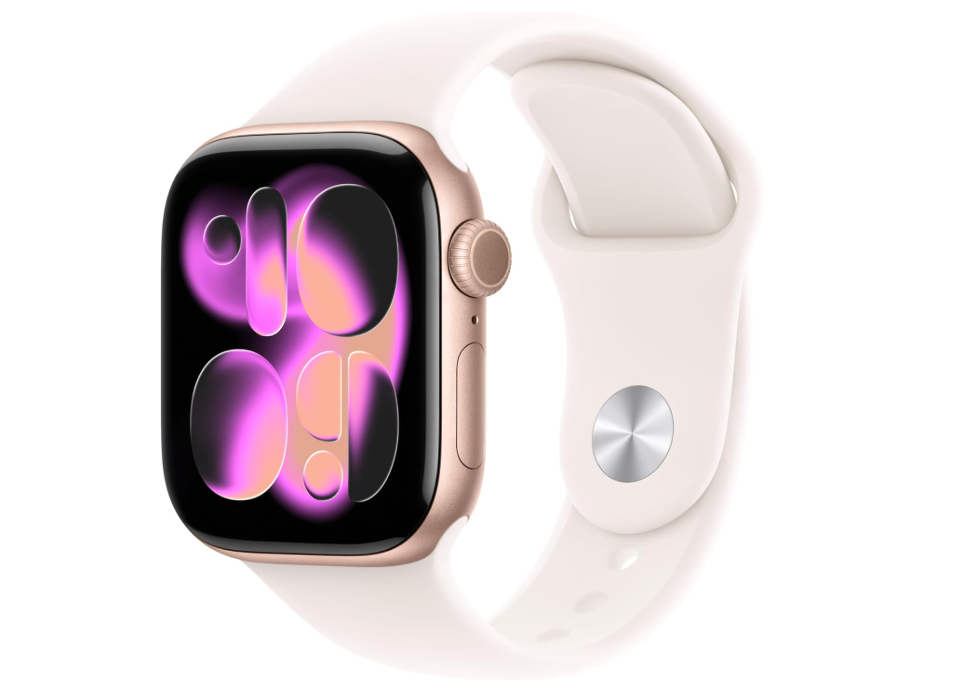
If you’re already part of the Apple ecosystem, the Apple Watch offers several wellness tools that can support anxiety management.
My daughter’s coach, who is an Olympic sailor from New Zealand, just had an incident yesterday where she had an elevated heart rate due to her chronic health condition after a case of mono months prior. She didn’t know for sure that she was in an episode of increased heart rate, only that she felt short of breath and hot. Once she checked her Apple watch, however, she realized that she was having an episode of increased heart palpatations, and needed to take a break.
The Apple Watch Series 11 is one of the most current models, and offers several wellness features that can support students, including heart rate monitoring, sleep tracking, the Mindfulness app with guided breathing exercises, and Heart Rate Variability (HRV) tracking to help identify stress patterns.
Tools like the Apple watch encourage healthy habits and can help students become more aware of how their bodies respond during stressful times. I like the Apple Watch because it seamlessly integrates into daily life, making it easy to build routines that promote better sleep, mindfulness, and overall well-being. Plus you can call and text people…and it is waterproof, just incase you also are a water-person or sailor like my daughter’s coach.
Apple Watch Features include:
- Mindfulness sessions
- Guided breathing
- Heart rate notifications
- Sleep tracking
- Calendar reminders
- Meditation app integration
These reminders can encourage students to pause, breathe, and reset before stressful situations.
Small moments of mindfulness practiced consistently often become valuable habits over time.
3. Fitbit Sense 2 – Excellent Stress Tracking at a Great Value
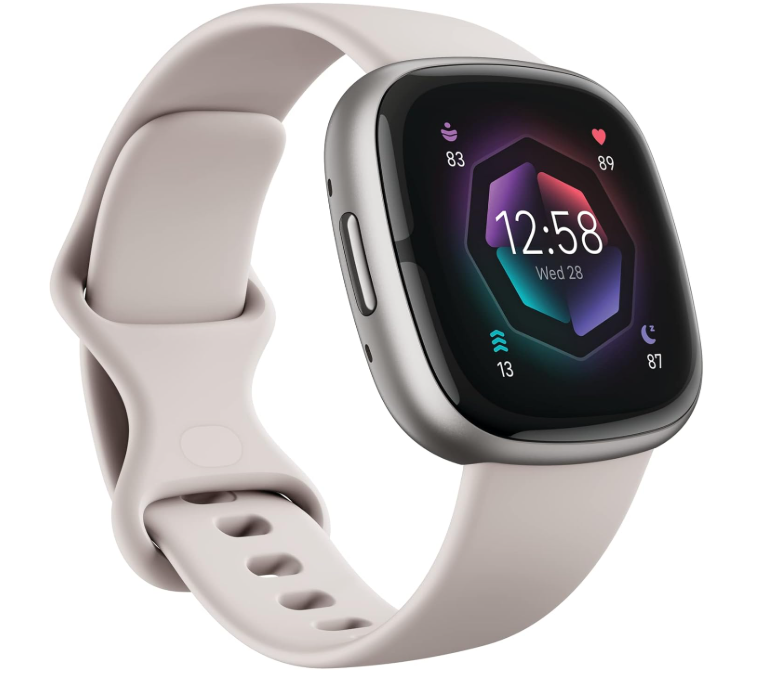
Fitbit’s wellness platform focuses heavily on helping users understand their overall health.
Helpful features include:
- Stress Management Score
- Guided breathing exercises
- Heart rate monitoring
- Sleep Score
- Daily wellness insights
Students often appreciate Fitbit’s simple interface and easy-to-understand reports.
Instead of becoming overwhelmed by complicated data, they receive practical information they can use to improve daily habits.
4. Oura Ring – Powerful Technology in a Small Package
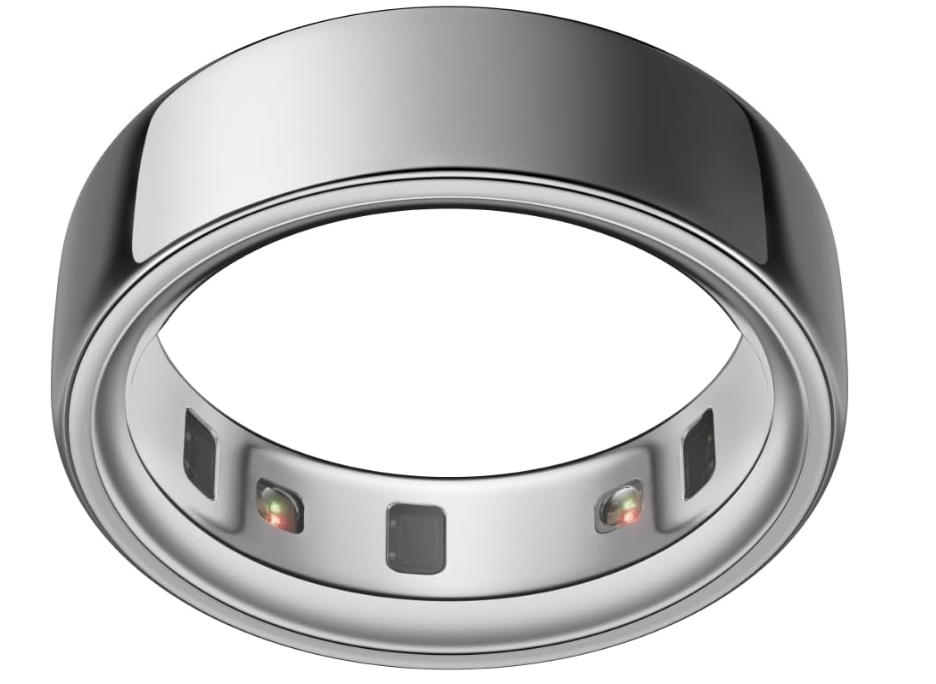
Not everyone enjoys wearing a smartwatch. The Oura Ring offers an excellent alternative. I know quite a few people rocking these rings. I’m not sure it’s for me, as I don’t even wear my wedding ring most days because I don’t really like wearing jewelry and I wash too many dishes as a mom of three to wear rings I think.
The Oura Ring tracks:
- Heart Rate Variability
- Sleep quality
- Recovery
- Readiness Score
- Daily stress trends
Because quality sleep plays such an important role in learning, memory, and emotional regulation, understanding your sleep patterns can become a valuable part of your overall test preparation plan. If you want to learn more about getting your best sleep when preparing for big exams, check out my article, Sleep Better, Stress Less: My Favorite Hacks for Beating Test Anxiety
5. Loop Quiet Earplugs – Create a Better Study or Testing Environment

Managing anxiety is sometimes about managing the outside distractions that can lead to the spiral of test anxiety symptoms. I’ve had many clients that request a distraction free room to take their exams. But what happens if one is not available? In those cases, you’ll have to create your own bubble free from distractions. Earplugs can help with that.
These Loop Earplugs have over 29,000 reviews, with a 4 star average, so they are a good investment in reducing distractions during your exams. Who wants to hear the clicking of other people’s computers? Not me. I’d recommend, however, practicing with wearing them before your exam when studying. This way, you’re sure to feel confident and comfortable wearing them on exam day.
Loop Quiet Earplugs help reduce distracting background noise while studying in:
- Libraries
- Coffee shops
- Dorm rooms
- Shared households
Reducing distractions often allows students to focus more effectively, making study sessions more productive and less stressful.
Technology Is Helpful—But It’s Only One Piece of the Puzzle
One of the biggest misconceptions about anxiety is believing that if we can simply monitor it, we’ve solved it. Unfortunately, that’s not how anxiety works. Knowing your heart rate is elevated doesn’t automatically teach your brain how to respond differently. True confidence develops when students learn practical skills they can use before and during exams.
Those skills include:
- Challenging negative self-talk
- Calming the body’s stress response
- Building effective study habits
- Practicing under realistic testing conditions
- Developing healthy pre-test routines
- Learning to recover quickly after moments of anxiety
These are skills that last far beyond a single exam.
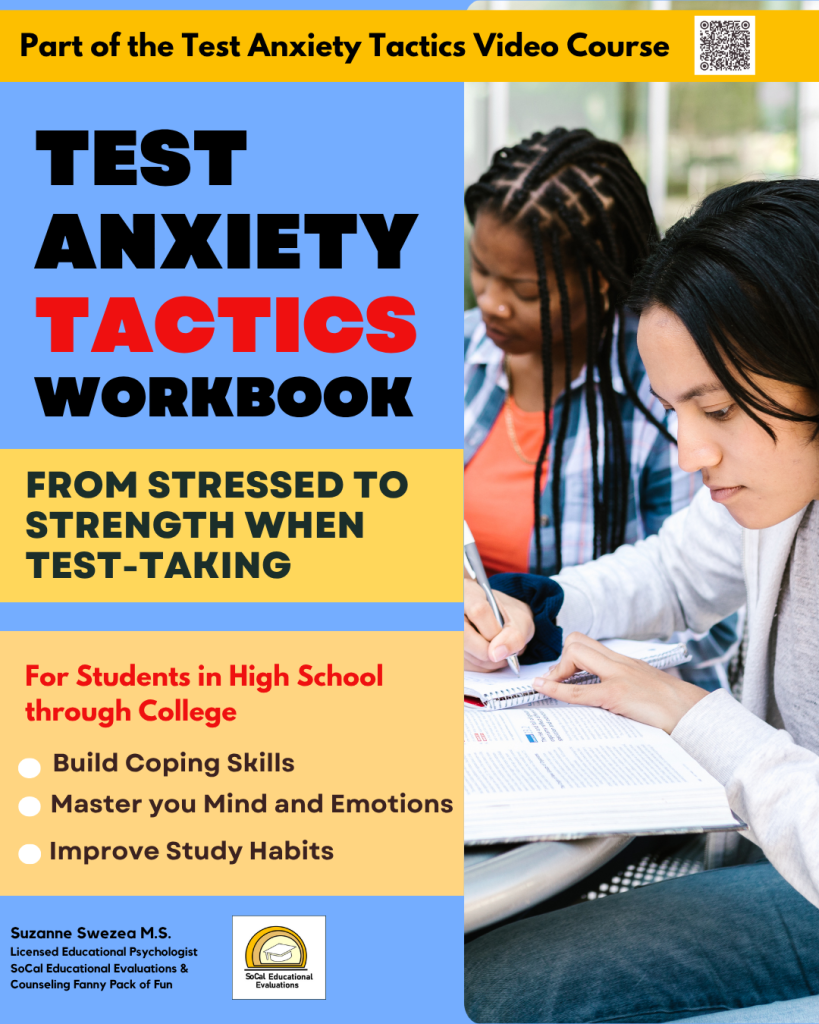
Why I Created the Test Anxiety Tactics Workbook and Video Course
Throughout my years working with students, I noticed something important:
Many students spent countless hours studying the material but very little time learning how to manage the anxiety that prevented them from demonstrating what they already knew.
That’s exactly why I created the Test Anxiety Tactics Workbook and Video Course.
Inside the course, students learn research-informed strategies that help them:
- Understand why test anxiety happens
- Recognize their personal anxiety triggers
- Calm their body before and during exams
- Replace negative thinking with balanced, encouraging thoughts
- Build confidence through structured practice
- Develop routines that reduce anxiety over time
These skills can help students not only during classroom exams but also during:
- SAT and ACT testing
- College entrance exams
- Professional licensing exams
- Job interviews
- Public speaking
- Presentations
- Other high-pressure situations throughout life
Ready to Take the Next Step?
If today’s article helped you better understand test anxiety, here are three simple ways to continue your journey:
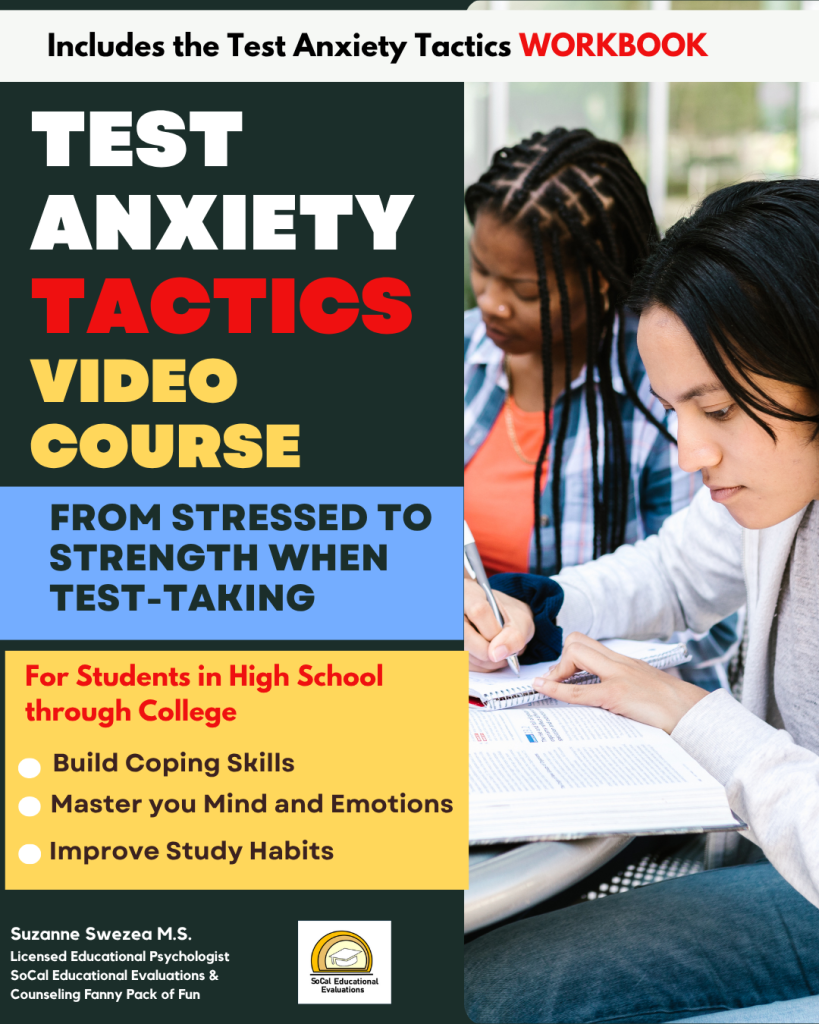
Enroll in the Test Anxiety Tactics Video Course
Receive step-by-step instruction designed to help you feel calmer, think more clearly, and approach your next exam with greater confidence.
Final Thoughts
Test anxiety does not define your intelligence, your abilities, or your future. It simply means your brain is responding to pressure.
Technology can be an excellent tool for helping you recognize that response. Smartwatches, wearable devices, and other wellness technology can increase awareness of your stress patterns, encourage healthier habits, and remind you to practice calming techniques.
But lasting confidence comes from learning how to work with your mind—not against it.
Whether you’re preparing for a classroom quiz, a college entrance exam, the LSAT, MCAT, NCLEX, Bar Exam, or another important test, remember this:
You don’t have to face test anxiety alone.
With the right combination of awareness, practical strategies, and consistent practice, you can build the confidence to perform at your very best.
I hope you’ll take the next step by downloading our FREE Test Anxiety Checklist and exploring the Test Anxiety Tactics Workbook and Video Course. Together, these resources are designed to help you move beyond simply managing anxiety and toward building lifelong confidence for exams—and for the many important moments that lie ahead.
Affiliate Disclosure: This article contains affiliate links. If you purchase through these links, SoCal Educational Evaluations may earn a small commission at no additional cost to you. We only recommend products we believe may be helpful for students and families.