
My recent testing clients have left me wanting to answer this question for many adults who also want to know…Do I have Dyslexia?
Recently, I’ve had several adult clients seek dyslexia evaluations to obtain accommodations in graduate school and on high-stakes entrance exams, including the Law School Admission Test (LSAT). All of these clients sought evaluations after realizing that their slow reading speed was beginning to interfere with their ability to keep up with the demands of their rigorous academic programs. They needed additional time on exams to demonstrate their knowledge without being disproportionately limited by the time required to read and process written information.
Many of my clients had never received a formal diagnosis of dyslexia. Some explained that they had received informal support in school, which helped them manage their academic challenges without ever being evaluated for a learning disability. Others shared that, in their families or cultural backgrounds, disabilities were not widely understood or that seeking a formal diagnosis was not encouraged.
Despite their different backgrounds and experiences, these clients described remarkably similar academic histories. They recalled being among the last students to finish tests, working harder than their classmates to keep up, and earning good grades—but often only with substantial support from parents, specialized tutors, or other resources. Although they had succeeded academically, many had spent years working harder and longer than their peers to achieve those results.
Their experiences raise an important question: Can adults be tested for dyslexia, even if they were never diagnosed as children? The answer is YES, and an evaluation can help adults better understand their learning differences and determine whether accommodations may be appropriate.
Have you always struggled with reading, spelling, or writing, even though you are intelligent and capable in other areas?
Maybe you learned to work around these challenges in school, but reading-heavy college courses or workplace responsibilities have made them more noticeable.
You may have wondered whether you could have dyslexia.
The good news is that adults can absolutely be evaluated for dyslexia. Dyslexia does not disappear with age, and it is never too late to better understand your learning strengths and challenges. A comprehensive evaluation can help identify whether dyslexia or another learning difficulty may be contributing to your struggles in school or work.
What Is Dyslexia?
Dyslexia is a specific learning disorder that primarily affects reading skills. It is a neurological, language-based learning difficulty that can affect people with average or above-average intelligence. While many people think of dyslexia and visual, with “mixing up b and d”, the majority of people with dyslexia often have auditory processing deficits or processing speed deficits, rather than a visual disability.
Dyslexia can make it difficult to:
- Read words accurately and fluently.
- Sound out unfamiliar words.
- Recognize words quickly and automatically.
- Spell words correctly.
- Read efficiently and understand written information when reading takes considerable effort.
Dyslexia exists on a spectrum. Some individuals experience significant reading difficulties, while others develop strategies that help them manage their challenges for years.
Importantly, dyslexia is not a sign of low intelligence, laziness, or a lack of motivation.
What Are the Signs of Dyslexia in Adults?
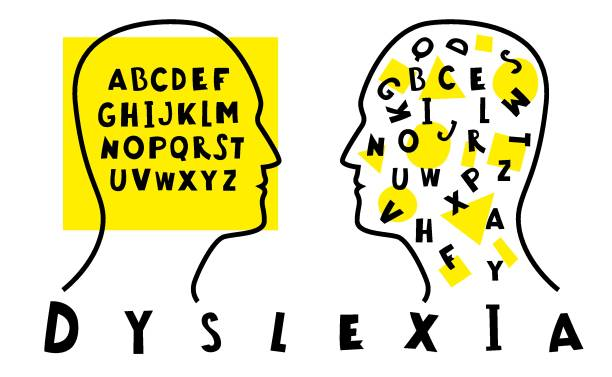
Adults with dyslexia may have developed strategies to compensate for reading difficulties, making their challenges less obvious to others.
Common signs may include:
- Reading more slowly than peers, especially when material is unfamiliar.
- Frequently rereading paragraphs to understand the information.
- Difficulty spelling, even familiar words.
- Avoiding reading aloud or feeling uncomfortable doing so.
- Struggling to remember written instructions.
- Finding writing, proofreading, or organizing written information challenging.
- Taking significantly longer to complete reading-heavy assignments or work tasks.
Some adults also report that reading is mentally exhausting or that they need extra time to complete tasks involving written information.
Not everyone who experiences these difficulties has dyslexia. Similar challenges can have other explanations, such as ADHD.
What Does an Adult Dyslexia Evaluation Include?
A comprehensive dyslexia evaluation looks at cognitive skills, such as processing speed, auditory processing skills, working memory, and visual processing skills, as well as a variety reading skills.
Depending on the person’s history and concerns, an evaluation may include:
1. Background and developmental history
The evaluator gathers information about childhood reading development, school experiences, previous interventions, academic performance, and current concerns.
2. Cognitive Assessment
An evaluation may examine aspects of cognitive functioning, such as working memory, processing speed, and phonological processing. The specific areas assessed depend on the individual’s history and reasons for seeking an evaluation. Although dyslexia is often identified during childhood, adults can also be evaluated using standardized tests designed or appropriate for adult populations. These assessments help identify the underlying reasons for reading difficulties and provide a clearer understanding of an individual’s learning strengths and challenges.
3. Academic achievement testing
Standardized tests may assess skills such as word reading, reading fluency, reading comprehension, spelling, and written expression. The specific tests selected will depend on the individual’s age, history, and evaluation needs, as well as the clinician’s professional judgment. For this reason, I don’t list specific tests used in my evaluations. Keeping assessment materials confidential helps protect the integrity of the testing process and ensures that results accurately reflect an individual’s current abilities, rather than prior exposure to the test materials or practice effects.
4. Review of results and recommendations
The evaluator considers test scores, developmental history, observed performance, and other relevant information to determine whether the findings support a diagnosis of a specific learning disorder with impairment in reading.
The final report explains the individual’s strengths and challenges and may include recommendations for educational support, workplace strategies, or further assessment when needed. An evaluation should be individualized. Not every adult needs every type of test, and a diagnosis should not be based on a single score.
On that note, if your evaluator wants to spend over 4 hours of your valuable time testing you, I recommend that you run. More testing time does not mean more value. While you may feel like you are getting your money’s worth, a good evaluator should start with testing the areas of suspected disability. They shouldn’t test EVERY area of academics or cognition. You don’t have time for that! For example, if I’m testing for dyslexia, I’m not administering Math tests on the academic assessment. And because dyslexia is primarily an auditory processing deficit, I will typically star with tests measuring auditory processing and phonemic awareness skills.
Can an Adult Dyslexia Evaluation Help With College or Workplace Accommodations?

An evaluation may provide documentation that supports a request for accommodations, depending on the person’s needs and the requirements of the school, testing organization, or employer.
Examples of accommodations that may be considered include:
- Extended time on qualifying examinations.
- Access to assistive reading technology.
- Text-to-speech software.
- Other individualized supports based on documented functional limitations.
Accommodations are not automatic. Each institution or testing organization has its own documentation requirements, and a diagnosis alone does not guarantee approval.
For high-stakes standardized examinations, it is important to review the specific testing organization’s guidelines before pursuing an evaluation.
How Do I Know if I Should Be Tested for Dyslexia as an Adult?
Consider seeking an evaluation if you have experienced persistent reading or spelling difficulties, particularly if those challenges interfere with college, professional exams, or everyday responsibilities.
An evaluation may be especially helpful if you:
- Have struggled with reading since childhood.
- Need substantially more time than others to complete reading assignments.
- Continue to experience spelling or word-reading difficulties despite practice.
- Suspect an undiagnosed learning disability may explain longstanding challenges.
- Need documentation to support a request for educational or testing accommodations.
You do not need to wait until your difficulties become overwhelming to seek answers.
Get Answers About Your Learning Profile
If you have spent years wondering why reading, spelling, or written assignments seem more difficult for you than for others, an evaluation may help you understand why.
At SoCal Educational Evaluations, we provide individualized psychoeducational evaluations to help adolescents and adults better understand their learning strengths and challenges. Our evaluations can assess concerns related to dyslexia, other learning disabilities, ADHD, and related difficulties, depending on the referral question.
Services are available virtually throughout California, with in-person appointments available in Southern California.
Wondering whether you may have dyslexia or need an evaluation to obtain school or exam accommodations? Contact SoCal Educational Evaluations to schedule a consultation and discuss whether an evaluation may be appropriate for you. Our Licensed Educational Psychologist, Suzanne, will take care in evaluating you, so that you can have clarity on your disability and gain access to accommodations or services in your school or program.
Visit SoCal Educational Evaluations to learn more about our services.